Milkweed seeds are available in fall only for hot areas such as the desert, inland empire and central valley. These areas should plant milkweed Between November and January. They need several months to grow and still have enough time for recipients to receive and transplant them six to eight weeks before temperatures reach triple digits. All other areas order will order their milkweed in spring and summer.
Please check the Xerxes priority action zones map to make sure you are not in an overwintering zone on the coast. If you are in the no plant zone please only grow nectar plants.
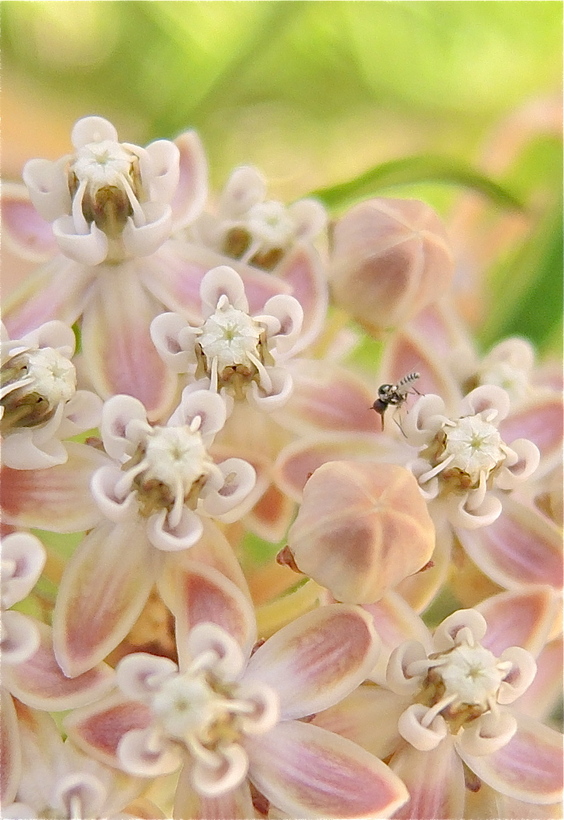
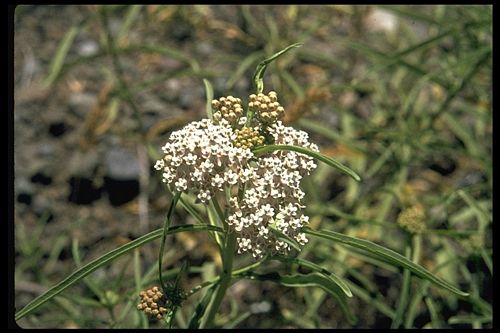
Narrowleaf Milkweed (Asclepias fascicularis) is a flowering perennial best known for the Monarch butterflies it will attract into the garden. Its long, thin pointed leaves give the plant a soft, wispy look. It blooms in summer to fall, with clusters of lavender or pinkish white flowers, each one an interesting button shape. The fruits are smooth pods, which split open to spill seeds along with plentiful silky hairs that may carry the seeds through the air.This plant grows fast to 3 feet tall and is dormant in winter, often dying back to the ground. It will take full sun but is adaptable to most conditions, being easy to grow in soils with good drainage, even with no summer water. It can self-seed if the seed pods are not removed. This species is probably the single most important host plant for Monarch Butterflies in California, attracting them and hosting their caterpillars. It is crucial to not use any pesticide on or around the plant, because doing so will be fatal to the caterpillars. The plant also provides resources for many beneficial creatures, including native bees. Don’t cut the dry stems down too soon as Orioles may use them for nesting.
Please check the xerxes priority action zones map to make sure you aren't near an overwintering site. If you are near an overwintering site please do not plant milkweed. Focus on nectar plants only.