Milkweed seeds are available in fall only for hot areas such as the desert, inland empire and central valley. These areas should plant milkweed Between November and January. They need several months to grow and still have enough time for recipients to receive and transplant them six to eight weeks before temperatures reach triple digits. All other areas order will order their milkweed in spring and summer.
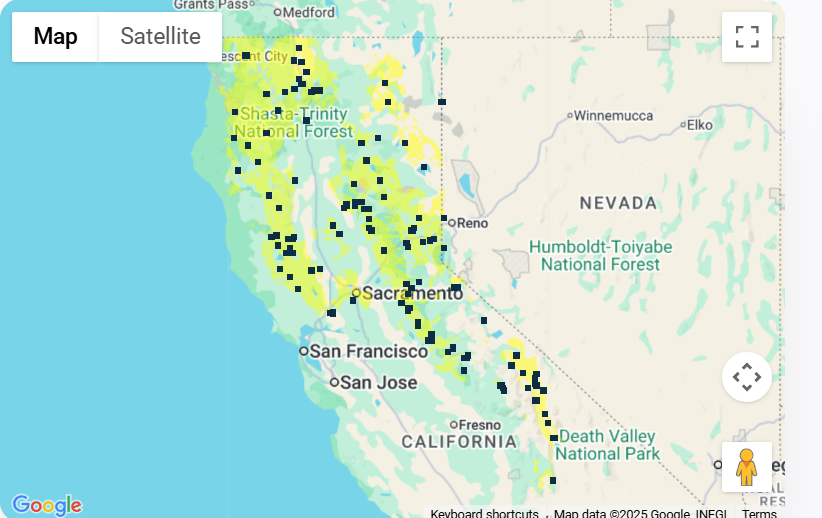
Please check the Xerxes priority action zones map to make sure you are not in an overwintering zone on the coast. If you are in the no plant zone please only grow nectar plants.
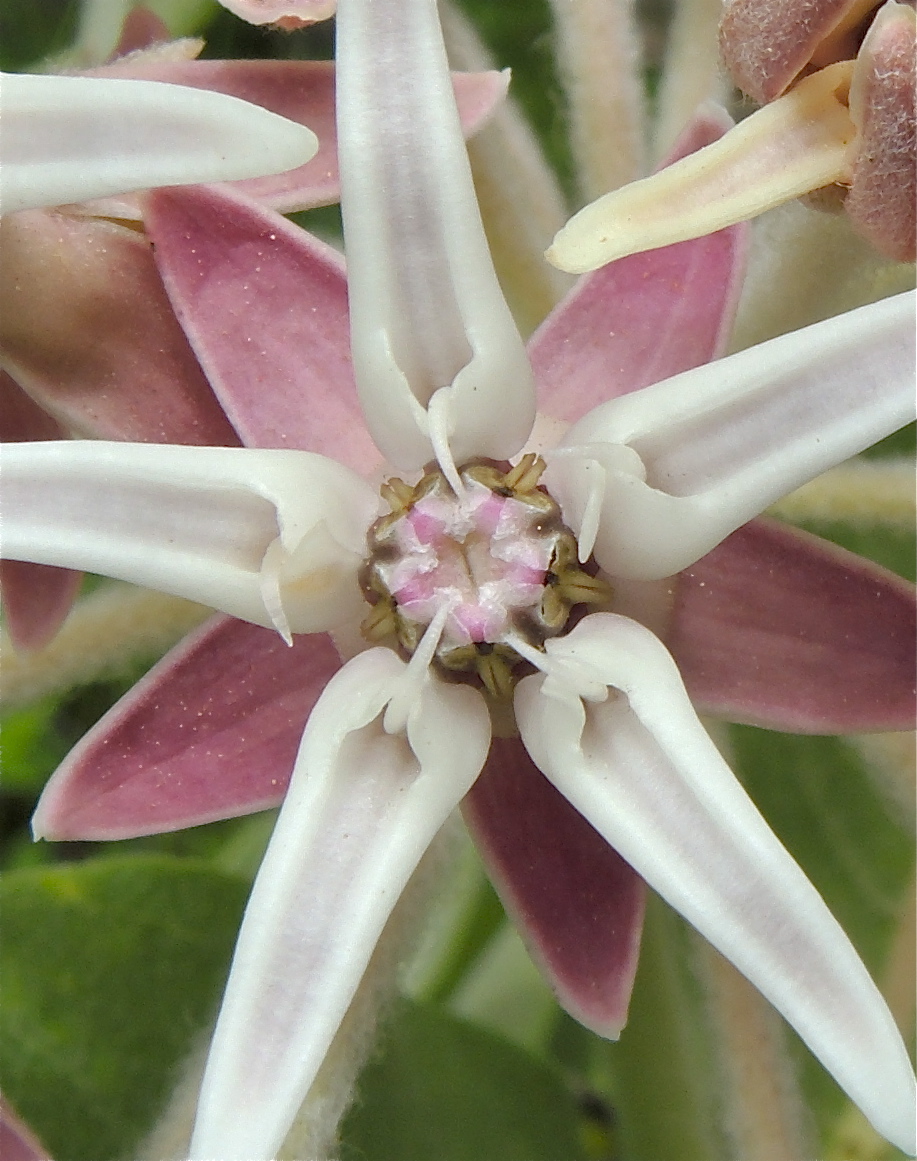
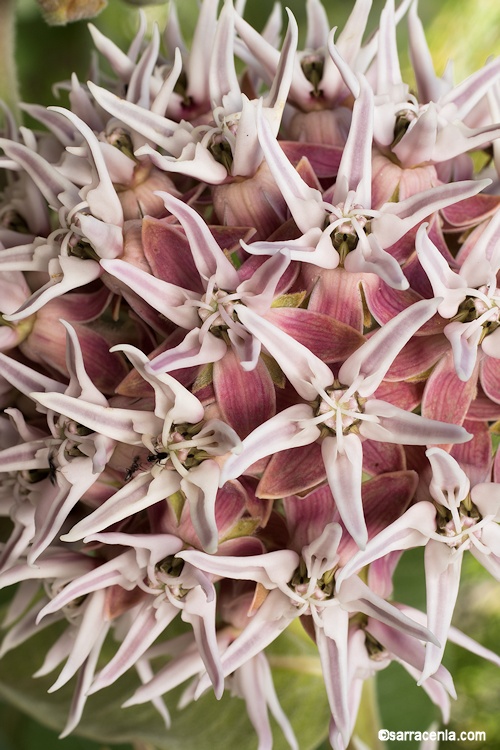
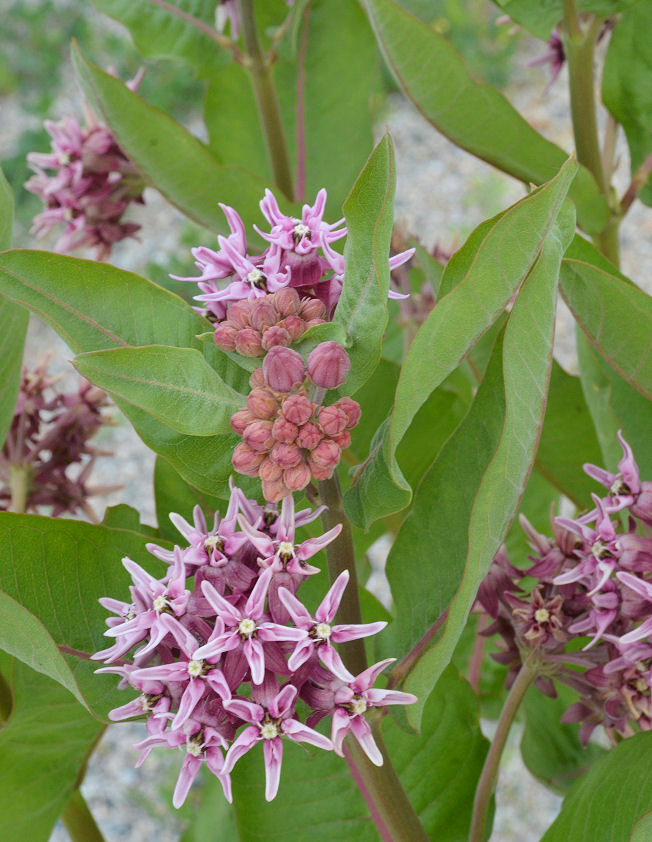
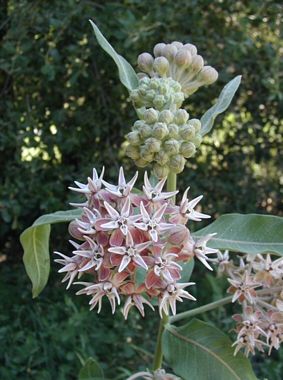
Named for its abundant clusters of starlike flowers, showy milkweed (Asclepias speciosa) is an eye-catching native plant selection for the butterfly garden. In the summer months, showy milkweed is covered in fragrant blooms in delicate shades of pink, white, and purple. The large leaves are an attractive grayish-green color.After blooming, the plant produces large pods that contain seeds with long silky tassels, so they can be dispersed by the wind. Individual plants spread by underground rhizomes into an expanding clump. Showy milkweed has thick, sturdy stems and an upright growth habit. It can reach up to 6 ft in height. The plant goes dormant during the winter months Showy milkweed is an important butterfly host plant, especially for the Monarch butterfly. Adult butterflies feed on the flower nectar and caterpillars eat the leaves. The blooms also attract hummingbirds. Like other milkweeds, this plant produces alkaloids that, when consumed, protect the caterpillars from predators. Showy milkweed is easy to care for. It grows well in full sun and should be planted in dry, well-drained soil. Remove seed pods to prevent self-sowing. Large clumps can be pruned during the winter dormancy season.
Please check the xerxes priority action zones map to make sure you aren't near an overwintering site. If you are near an overwintering site please do not plant milkweed. Focus on nectar plants only.